

ONLINE-FORUM
Klimawandel vom globalen zum regionalen Maßstab und die Rolle des Tourismus
live am 8. Februar 2022 I 10.00 bis 11.30 Uhr
ONLINE-FORUM
live am 8. Februar 2022 I 10.00 bis 11.30 Uhr


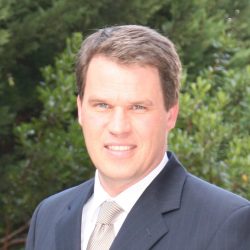
Professor für Angewandte Physische Geographie und Umweltmodellierung am Geographischen Institut
Ludwig-Maximilians-Universität
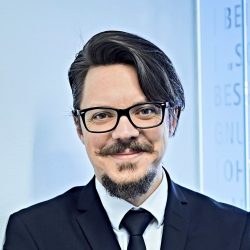
Direktor des Programms für Nachhaltige Entwicklung
UNWTO
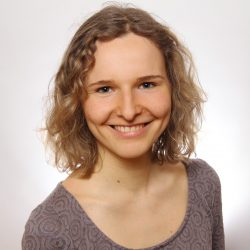
Prokurist und Bereichsleiter der Strategischen Entwicklung
Bayern Tourismus Marketing GmbH

Die regionalen Aspekte des globalen Klimawandels speziell für den Freistaat Bayern sowie erste Ansätze für mögliche Anpassungsstrategien bildeten den Schwerpunkt der virtuellen Auftakt-Konferenz zur Jahresdialogreihe 2022 des Bayerischen Zentrums für Tourismus. Moderator Prof. Dr. Jürgen Schmude, Professor für Wirtschaftsgeographie und Tourismusforschung an der LMU München und wissenschaftlicher Leiter des Bayerischen Zentrums für Tourismus, stellte zunächst das diesjährige Leitthema der Dialogreihe 2022 mit fünf interaktiven Online-Konferenzen vor, die sich mit dem Themenkomplex „Folgen des Klimawandels für den Tourismus“ beschäftigen werden.
Die Auftaktveranstaltung der Dialogreihe 2022 hatte zum Ziel, den Klimawandel unter globalen bis hin zu regionalen Maßstäben zu beleuchten. Hierzu stellte Prof. Dr. Ralf Ludwig unter anderem Ergebnisse des 6. Weltklimarat-Berichts vom 9. August 2021 vor. Ihm zufolge wirkt sich der Klimawandel bereits auf viele Wetter- und Klima-Extreme in allen Regionen weltweit aus.
Mit Messdaten zu Hitzeextremen sei beispielsweise ein Rückschluss auf die menschliche Einwirkung speziell auf Gesamteuropa nachzuweisen, betonte Prof. Dr. Ludwig. Ob Waldbrände in Griechenland, die letztjährige Hitzewelle in Kanada, der Tornado in der Tschechischen Republik, der Gletscherrückgang in den Bayerischen Alpen oder die Ahrweiler Sturzflut – Prof. Dr. Ralf Ludwig hob hervor, dass „die Häufung und Intensität der Extremereignisse ohne einen anthropogen bedingten Klimawandel nicht mehr erklärbar ist“ – sprich mit von Menschen verursachten Einflüssen.
Der Wissenschaftler schlug zudem die Brücke zur regionalen Ebene und projizierte anhand der ClimEx-Studien in Kooperation mit einem Forschungsteam in Québec, dass in Bayern in den kommenden Jahrzehnten eine Temperaturzunahme in allen Monaten, vor allem im Sommer, eine deutliche Niederschlagszunahme in den Wintermonaten, Trockenheit im Sommer sowie verstärkt Starkniederschläge zu erwarten seien. Ein weiteres Studienergebnis: „Es wird auch mehr extreme Hochwässer in bayerischen Flussgebieten geben.“ Dabei fallen die Veränderungen umso stärker aus, je weniger wirksam die Umsetzung globaler Klimapolitik ist. Das Fazit von Prof. Dr. Ludwig: „Es wird in Bayern im 21. Jahrhundert zu gravierenden Auswirkungen für alle Wirtschafts- und Versorgungsbereiche kommen, auch für den Tourismus.“
Lara Möllney unterstrich, dass durch den Klimawandel unterschiedliche Auswirkungen für einzelne bayerischen Regionen zu erwarten seien. Bei Klimaanpassung spielten nicht nur Kommunen eine zentrale Rolle, sondern auch wirtschaftliche Akteure. Um dabei systematisch Strategien zu entwickeln, bilde das im Vorjahr veröffentlichte Handbuch für die Klimaanpassung in Bayern eine sehr gute Grundlage, das auf der Homepage des LfU abrufbar ist.
Einen Bogen zum globalen Tourismus im Jahr 2030 schlug Dr. Dirk Glaeßer. Er zeigte die aktuellen und für das Jahr 2030 modellierten transportbedingten CO2 Emissionen des Tourismus auf. Durch die bei der UNFCCC COP 26 lancierte “Glasgow Deklaration” demonstrierte er zudem, welche Rolle der Tourismussektor spielt, um durch eigene, in der Tourismuspolitik verankerte erhöhte Klimaambitionen dieser Entwicklung entgegenzuwirken.
Wolfgang Wagner zufolge sei das Thema des Klimawandels noch nicht in der Breite der bayerischen Tourismuswirtschaft angekommen. Er sprach sich für eine nachhaltige Destinationsentwicklung aus, was zugleich Lösungen für den Kontext Klimawandel-Anpassungen zur Folge haben würde. Ein großes Potenzial sieht er bei der zukünftigen touristischen Entwicklung des Freistaats zur Ganzjahresdestination.
„Destinationen und Regionen sind die Vorreiter für den Umgang mit dem Klimawandel,“ zeigten sich alle Diskussionsteilnehmer*innen abschließend überzeugt.

Bayerisches Zentrum für Tourismus
We firmly believe that the internet should be available and accessible to anyone, and are committed to providing a website that is accessible to the widest possible audience, regardless of circumstance and ability.
To fulfill this, we aim to adhere as strictly as possible to the World Wide Web Consortium’s (W3C) Web Content Accessibility Guidelines 2.1 (WCAG 2.1) at the AA level. These guidelines explain how to make web content accessible to people with a wide array of disabilities. Complying with those guidelines helps us ensure that the website is accessible to all people: blind people, people with motor impairments, visual impairment, cognitive disabilities, and more.
This website utilizes various technologies that are meant to make it as accessible as possible at all times. We utilize an accessibility interface that allows persons with specific disabilities to adjust the website’s UI (user interface) and design it to their personal needs.
Additionally, the website utilizes an AI-based application that runs in the background and optimizes its accessibility level constantly. This application remediates the website’s HTML, adapts Its functionality and behavior for screen-readers used by the blind users, and for keyboard functions used by individuals with motor impairments.
If you’ve found a malfunction or have ideas for improvement, we’ll be happy to hear from you. You can reach out to the website’s operators by using the following email
Our website implements the ARIA attributes (Accessible Rich Internet Applications) technique, alongside various different behavioral changes, to ensure blind users visiting with screen-readers are able to read, comprehend, and enjoy the website’s functions. As soon as a user with a screen-reader enters your site, they immediately receive a prompt to enter the Screen-Reader Profile so they can browse and operate your site effectively. Here’s how our website covers some of the most important screen-reader requirements, alongside console screenshots of code examples:
Screen-reader optimization: we run a background process that learns the website’s components from top to bottom, to ensure ongoing compliance even when updating the website. In this process, we provide screen-readers with meaningful data using the ARIA set of attributes. For example, we provide accurate form labels; descriptions for actionable icons (social media icons, search icons, cart icons, etc.); validation guidance for form inputs; element roles such as buttons, menus, modal dialogues (popups), and others. Additionally, the background process scans all the website’s images and provides an accurate and meaningful image-object-recognition-based description as an ALT (alternate text) tag for images that are not described. It will also extract texts that are embedded within the image, using an OCR (optical character recognition) technology. To turn on screen-reader adjustments at any time, users need only to press the Alt+1 keyboard combination. Screen-reader users also get automatic announcements to turn the Screen-reader mode on as soon as they enter the website.
These adjustments are compatible with all popular screen readers, including JAWS and NVDA.
Keyboard navigation optimization: The background process also adjusts the website’s HTML, and adds various behaviors using JavaScript code to make the website operable by the keyboard. This includes the ability to navigate the website using the Tab and Shift+Tab keys, operate dropdowns with the arrow keys, close them with Esc, trigger buttons and links using the Enter key, navigate between radio and checkbox elements using the arrow keys, and fill them in with the Spacebar or Enter key.Additionally, keyboard users will find quick-navigation and content-skip menus, available at any time by clicking Alt+1, or as the first elements of the site while navigating with the keyboard. The background process also handles triggered popups by moving the keyboard focus towards them as soon as they appear, and not allow the focus drift outside it.
Users can also use shortcuts such as “M” (menus), “H” (headings), “F” (forms), “B” (buttons), and “G” (graphics) to jump to specific elements.
We aim to support the widest array of browsers and assistive technologies as possible, so our users can choose the best fitting tools for them, with as few limitations as possible. Therefore, we have worked very hard to be able to support all major systems that comprise over 95% of the user market share including Google Chrome, Mozilla Firefox, Apple Safari, Opera and Microsoft Edge, JAWS and NVDA (screen readers).
Despite our very best efforts to allow anybody to adjust the website to their needs. There may still be pages or sections that are not fully accessible, are in the process of becoming accessible, or are lacking an adequate technological solution to make them accessible. Still, we are continually improving our accessibility, adding, updating and improving its options and features, and developing and adopting new technologies. All this is meant to reach the optimal level of accessibility, following technological advancements. For any assistance, please reach out to